Why Exposed Plugs and Wires Are Dangerous
1. Risk of Electric Shock
Exposed wires significantly increase the risk of electric shock. If someone comes into direct contact with a live wire, they could experience a severe shock that may cause burns, muscle contractions, and even heart failure in severe cases. Children and pets are particularly vulnerable, as they may accidentally touch or play with exposed wiring.
2. Fire Hazards
Electrical wiring that’s exposed can lead to short circuits, which can generate heat and cause fires. According to the National Fire Protection Association, electrical failures or malfunctions are a leading cause of home fires in the United States. When wires are damaged, frayed, or exposed, the risk of sparks igniting nearby flammable materials increases dramatically.
For more information, you can check the sources on Electrical Safety Foundation International (ESFI)
3. Code Violations
Exposed plugs and wires are usually against building codes and safety regulations. Electrical systems are designed with specific safety measures in mind, and any tampering or wear that leaves wiring exposed is a violation. Not only could you face legal issues, but insurance companies may also refuse to cover damage resulting from unsafe electrical setups.
4. Damage to Appliances and Devices
Exposed wiring can also cause damage to appliances and other electronics connected to the circuit. A short circuit can send surges of electricity through your devices, causing them to overheat, malfunction, or break down entirely.
Common Causes of Exposed Wires
1. Wear and Tear
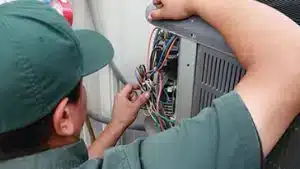
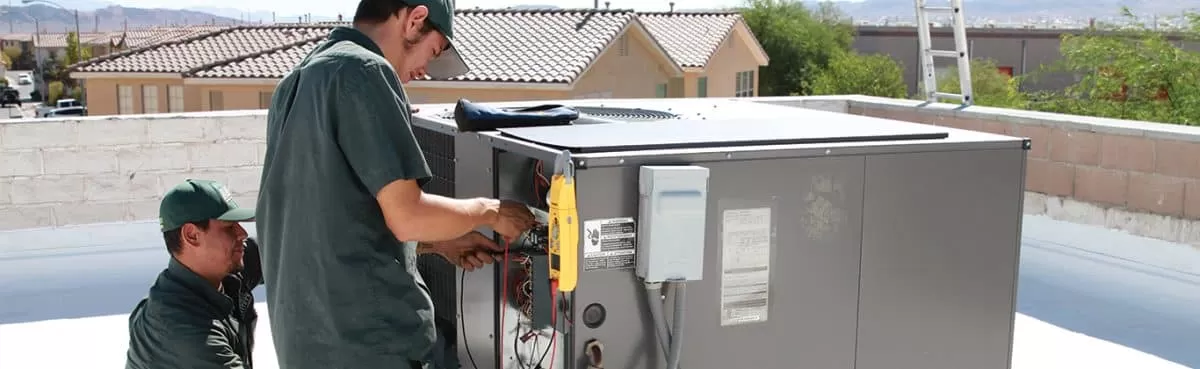
Over time, electrical wires can degrade due to heat, pressure, or regular use. This is particularly common in older homes where the insulation around the wires may have deteriorated, leaving the wiring exposed. Unlike minor tasks handled by handymen or HVAC experts who focus on your home’s interior systems, restoration is a process that requires a different kind of expertise.
2. Rodent Damage
In both homes and commercial buildings, rodents can chew through electrical wiring, stripping the insulation and leaving the wires exposed. This not only causes the risk of electric shock but also increases the chance of electrical fires.
3. Poor Installation
Improperly installed wiring can leave wires exposed or vulnerable to damage. For instance, using non-insulated electrical connectors or failing to place wiring inside conduits may lead to exposed plugs or wires.
4. DIY Electrical Work
While many homeowners and business owners attempt DIY electrical work to save money, this often leads to exposed wires or poorly insulated connections. It’s always safer to hire a licensed electrician to handle electrical installations or repairs.
To understand better why DIY electrical attempts might be risky, please check the Electrical Safety Guide from Energy.gov
Immediate Steps to Take if You Spot Exposed Wires
If you notice exposed wiring in your home or workplace, it’s essential to act quickly:
- Turn Off Power to the Affected Area: If it’s safe to do so, turn off the power to the circuit where the exposed wiring is located. This will help prevent electric shocks or fire hazards until the issue can be addressed.
- Avoid Touching the Wires: Do not attempt to move or touch the exposed wires with your hands or any conductive materials, as this could lead to an electric shock.
- Call a Professional Electrician: Exposed wiring is not a DIY job. It’s best to call in a licensed electrician who has the tools and expertise to safely repair or replace the wiring.
Preventing Exposed Wires and Plugs
- Regular Inspections: Having your electrical systems inspected regularly by a professional can help detect any early signs of wear, tear, or damage to the wiring. This is especially important in older homes or commercial buildings.
- Use Proper Insulation: Ensure all wiring is insulated and protected with the appropriate materials. This includes using protective conduits and securing loose wires to prevent exposure.
- Proper Installation: Always ensure that any electrical installations are done by licensed electricians. Proper installation can help prevent future issues with exposed wires or plugs.
Hire The Hippo Services – Serving Las Vegas, Nevada
At Hire The Hippo Services, we understand the dangers of exposed wires and plugs. Our team of licensed professionals is ready to help with your electrical safety concerns, ensuring your home or commercial property remains safe and up to code. Serving Las Vegas, Nevada, we offer expert electrical inspections, repairs, and installation services to keep your property secure.






.webp)




.webp)







.png)
.png)


.png)