1. Potential for Electrical Hazards
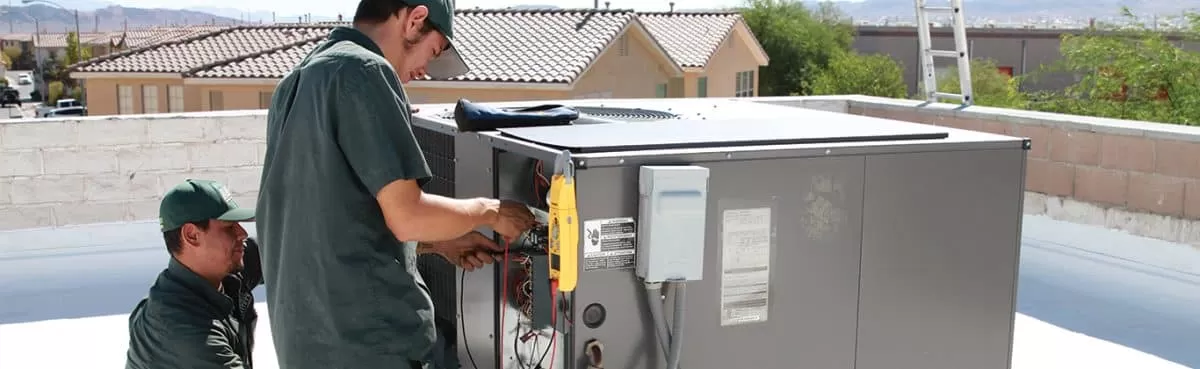
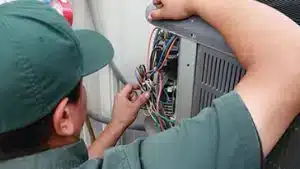
Air conditioning systems are complex machines that involve intricate electrical components. Attempting to repair an AC unit without proper knowledge and experience can lead to serious electrical hazards. You may accidentally cause a short circuit, electrical shock, or even a fire. These risks are heightened if the repair involves handling wiring, capacitors, or other electrical elements. Similar to hiring a locksmith, tackling certain intricate jobs requires specialized skill to prevent even more expensive problems down the line.
For more information on electrical safety, check out sources from ESFI.
2. Void of Warranty
Many AC units come with a manufacturer’s warranty that covers certain repairs and parts for a specified period. However, attempting to repair your AC on your own can void this warranty, leaving you responsible for all future repair costs. Manufacturers typically require that repairs be performed by licensed professionals to ensure that the work is done correctly and safely. By taking matters into your own hands, you risk losing the protection that your warranty provides.
3. Inaccurate Diagnosis
One of the most significant challenges of DIY AC repairs is accurately diagnosing the problem. What may seem like a simple issue, such as reduced airflow or a strange noise, could be a symptom of a much larger problem within the system. Without the proper tools and training, it’s easy to misdiagnose the issue, leading to ineffective repairs that may cause further damage to your system.
4. Use of Incorrect Parts
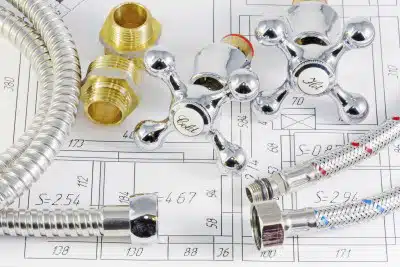
Air conditioning systems require specific parts that are designed to work together for optimal performance. When performing DIY repairs, you may unknowingly use incorrect or incompatible parts, leading to additional problems down the road. For example, using the wrong type of refrigerant can cause system inefficiency or even damage the compressor. Professional technicians have access to the correct parts and know how to install them properly.
5. Risk of Refrigerant Exposure
Refrigerants are chemicals used in AC systems to absorb and release heat. These substances can be hazardous if not handled correctly, posing risks such as frostbite, chemical burns, or respiratory issues. Additionally, releasing refrigerants into the atmosphere can harm the environment. Handling refrigerants requires specialized training and certification, which is why it’s best left to professionals.
To learn more about the dangers of refrigerant exposure, you can read this guide.
6. Inefficient Repairs
DIY repairs often result in temporary fixes rather than long-term solutions. While you may manage to get your AC unit running again, the underlying issue may not be fully resolved, leading to recurring problems. Professional AC technicians can diagnose and fix the root cause of the issue, ensuring that your system operates efficiently and reliably.
7. Potential for Further Damage
Inexperienced attempts to repair an AC unit can inadvertently cause more damage than the original problem. You may accidentally damage other components of the system, leading to more extensive repairs and higher costs. Additionally, improper repairs can reduce the efficiency of your AC unit, leading to increased energy consumption and higher utility bills.
8. Time and Effort
DIY AC repairs can be time-consuming and frustrating, especially if you’re unfamiliar with the system’s components and functions. You may spend hours trying to troubleshoot the problem, only to find that the issue persists. Hiring a professional saves you time and effort, allowing you to focus on other important tasks while your AC is repaired quickly and efficiently.
9. Health and Safety Risks
Handling an AC repair yourself can pose various health and safety risks, including exposure to harmful chemicals, sharp components, and heavy machinery. Without the proper protective equipment and training, you’re putting yourself at risk of injury. Professional technicians are trained to handle these risks safely, ensuring that repairs are carried out without compromising anyone’s well-being.
10. Compliance with Local Codes and Regulations
AC repairs often need to comply with local building codes and regulations, particularly when it comes to electrical work and refrigerant handling. Failing to adhere to these regulations can result in fines, legal issues, or failed inspections when selling your home. Professional AC technicians are familiar with local codes and ensure that all repairs meet the required standards.
Hire The Hippo Services Provides Professional AC Repair in Las Vegas, Orange County, and Surrounding Areas
While DIY AC repairs may seem like a cost-saving measure, the risks and potential for further damage often outweigh any potential benefits. For safe, efficient, and reliable AC repair services, it’s best to trust the professionals. Hire The Hippo Services offers expert AC repair services to keep your cooling system running smoothly and safely. Serving Las Vegas, Orange County, and surrounding areas, our experienced technicians are here to ensure your AC unit is in top condition.





.webp)


.webp)




.png)

.png)


.png)